Fall heating tune-ups for New Orleans furnaces and heat pumps
Heating equipment here sits unused for most of the year, then gets asked to work on the first cold morning. A fall check catches the weak parts before that morning arrives.
Answered 24/7Mid-City service officeSlidell head officeEvery major brand
A heating tune-up in New Orleans is best done in the fall, before the first cold front. For gas furnaces it covers burners, igniter, flame sensor, heat exchanger, flue and a carbon monoxide test; for heat pumps it checks reversing valve operation, the defrost cycle and backup heat strips. It usually takes about an hour.
Why heating needs a check every fall
Updated September 2026
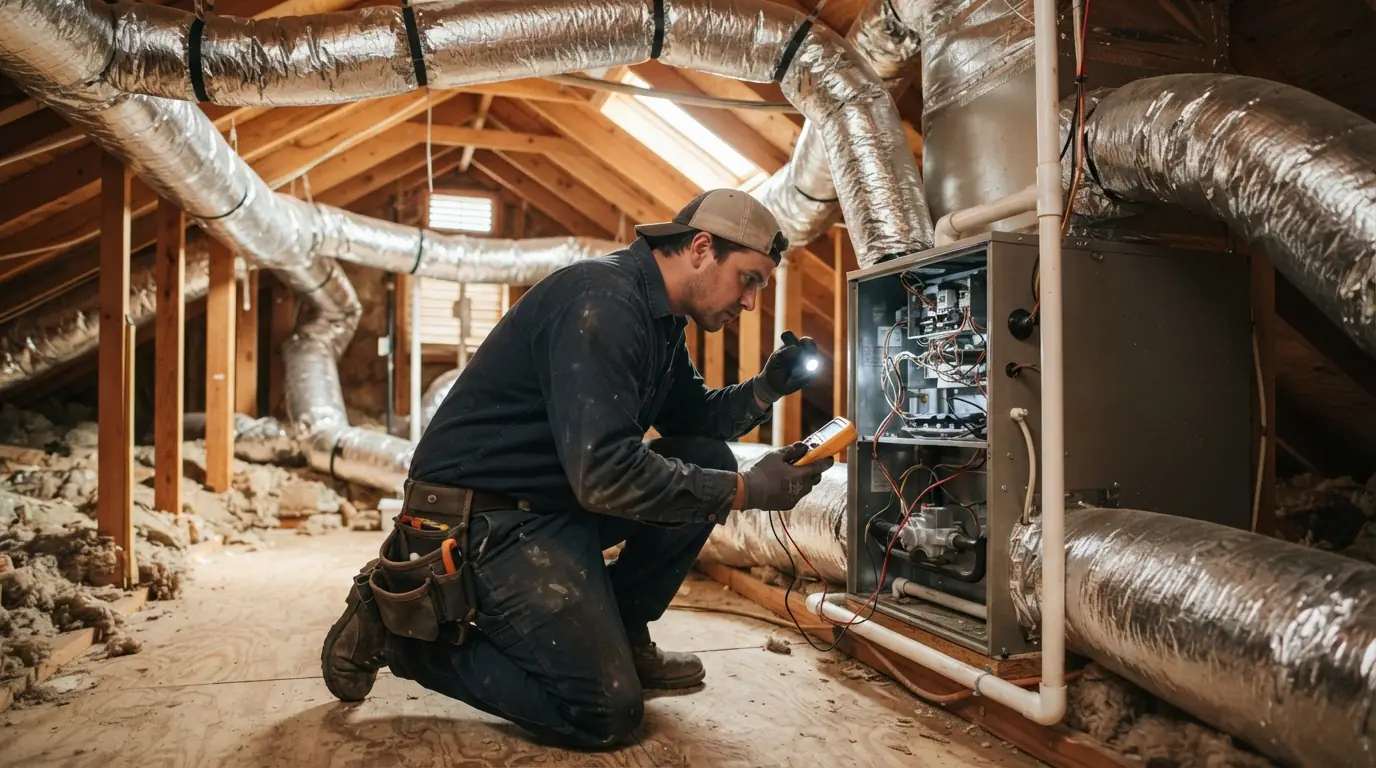
A furnace or heat strip that has not run since last winter has spent months in a hot, humid attic. Burners rust, flame sensors collect a film, igniters crack, and heat strip connections corrode. The first time the heat is needed is when those problems show up.
A fall tune-up runs the heating system through a full cycle while it is still mild outside, so any repair is made before the house actually needs heat.
What every heating tune-up covers
- System run through a full heating cycle
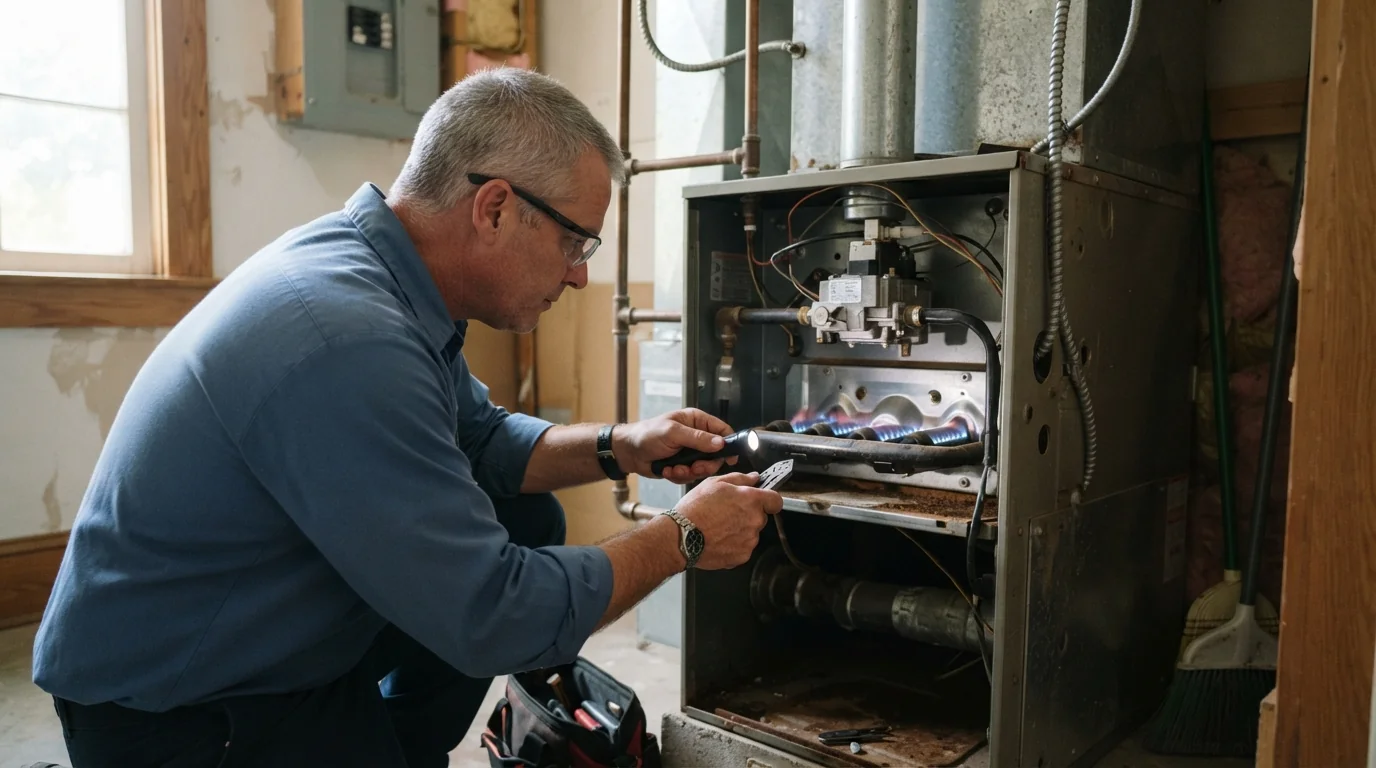
- Burners, igniter and flame sensor checked
- Heat exchanger and flue inspected
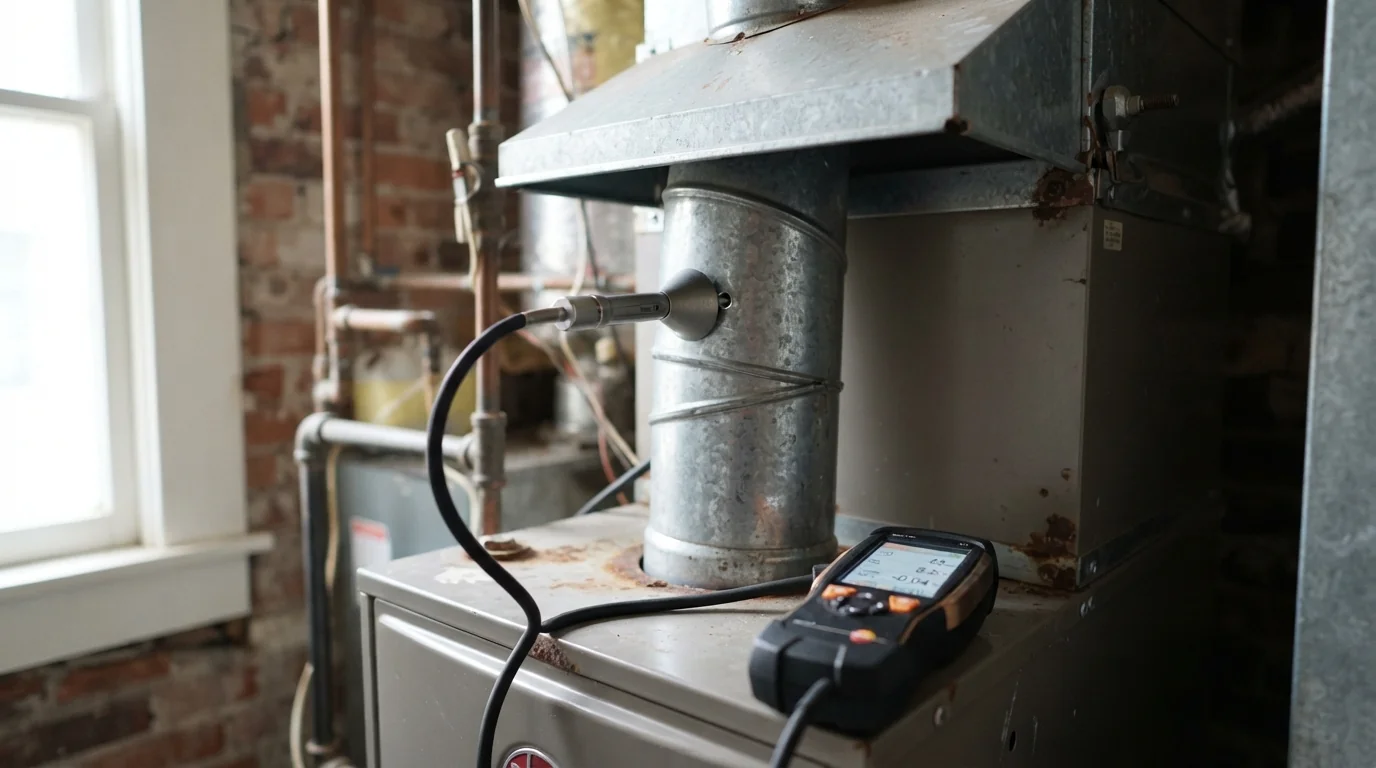
- Carbon monoxide test on gas systems
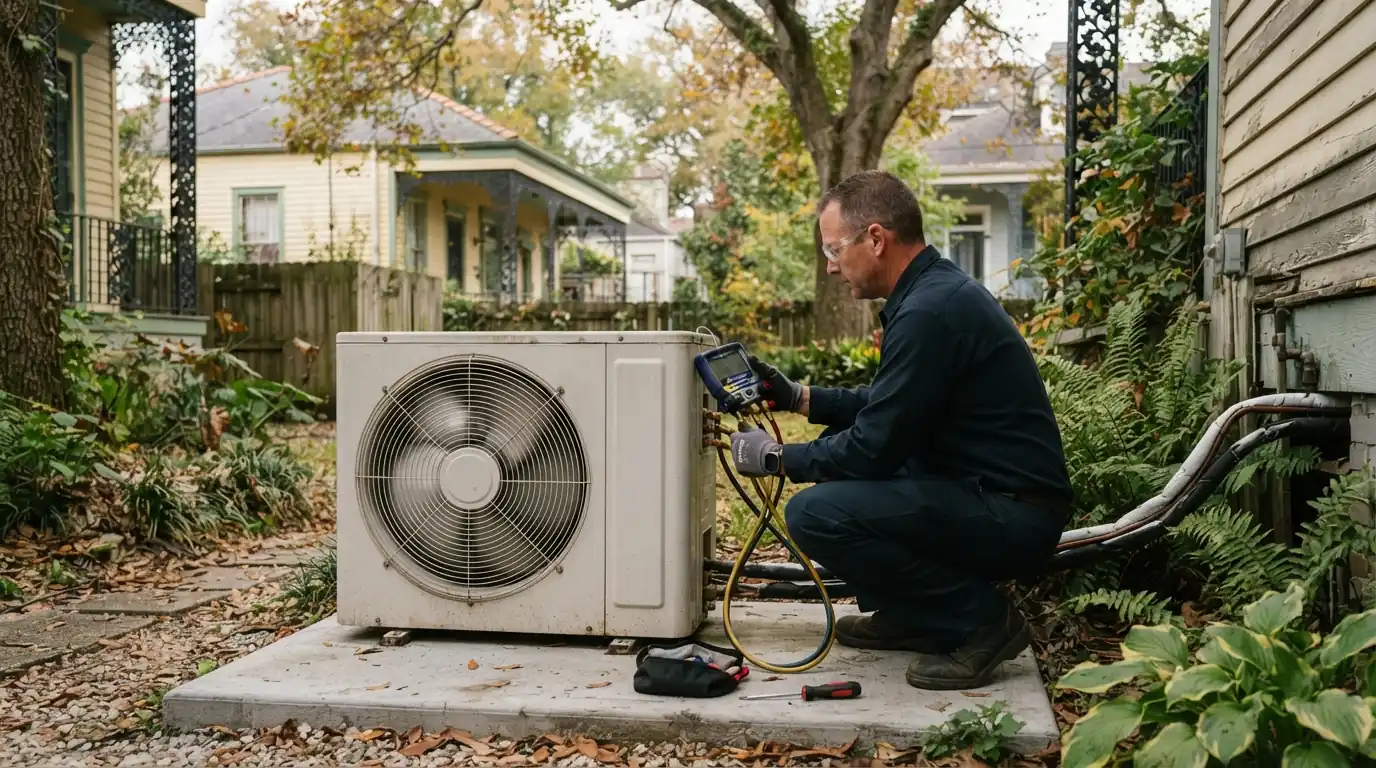
- Reversing valve and defrost tested on heat pumps
- Heat strips and breakers checked
- Thermostat heating settings confirmed
A short heating season
Heating here runs for a short season, which is exactly why it catches people out. A system that heated fine last January has sat idle through a long, humid summer, and small problems develop without anyone noticing. Scheduling the check in October or early November, before the first real cold front, means any repair happens on your schedule instead of on the coldest morning of the year.
Gas Furnace Safety Check
On a gas furnace we inspect and clean the burners, clean the flame sensor, test the igniter, check gas pressure, inspect the heat exchanger for cracks, confirm the flue is intact and drafting properly, and check the inducer motor and safety switches. We measure the temperature rise across the heat exchanger to confirm it is running within the manufacturer's range. Any safety concern is explained plainly, with the reason and what it means for the furnace. You get the readings in writing, so next year's visit starts from a baseline.
Heat Pump Heating Check
A heat pump heating check switches the system into heating mode and confirms the reversing valve changes over cleanly, checks refrigerant pressures in heating, tests the defrost control and sensor, and runs the backup heat strips to confirm each stage works and the breaker is correctly sized. Heat pumps that have cooled all summer often reveal a sticking reversing valve or a weak defrost board only when this check is run, which is the point of doing it before winter.
Carbon Monoxide Test
Every gas furnace tune-up includes a carbon monoxide check at the appliance and in the flue, along with an inspection of the heat exchanger and venting. We also check that you have working carbon monoxide alarms near sleeping areas, and recommend where to add them if you do not. It takes a few minutes and is the most important part of a gas heating visit, especially in homes where the furnace sits in a closet off a bedroom. Alarms older than their rated life are flagged for replacement.
What you can do before the season
| Task | Homeowner | Technician |
|---|---|---|
| Change the filter | Yes | |
| Test carbon monoxide alarms | Yes | |
| Clear storage away from the furnace | Yes | |
| Clean burners or flame sensor | No | Yes |
| Inspect the heat exchanger | No | Yes |
What affects the cost of a heating tune-up
A heating tune-up is a set visit; these are the things that change it.
System type
Gas furnaces and heat pumps need different checks.
Number of systems
Each additional system adds time.
Access
Tight attic or closet installs take longer.
Cleaning needed
Heavily rusted burners take extra time.
Parts found worn
Igniters and sensors are quoted if replacement is needed.
Plan membership
Included for maintenance plan members.
How a heating tune-up runs
- 1
Check in
We ask about any smells, noises or cold rooms last winter.
- 2
Run the heat
System started and run through a full cycle.
- 3
Inspect and clean
Burners, sensor, igniter or heat strips checked and cleaned.
- 4
Safety tests
Heat exchanger, flue and carbon monoxide on gas systems.
- 5
Heat pump checks
Reversing valve, defrost and heat strips tested.
- 6
Report
Findings written down with urgency noted.
Questions about Heating Tune-Up in New Orleans
In the fall, before the first cold front.
About an hour for a typical system.
Yes. The reversing valve and defrost only get tested in heating mode.
A few minutes of dust burning off is normal. A lasting smell or gas odor is not.
Yes, on every gas furnace tune-up.
You get a written quote. Small parts can often be replaced the same visit.
Yes, the fall visit covers heating.
Yes, because equipment that sits idle for months is exactly what fails on first use.
More heating we handle in New Orleans
Electric Heat Strip Repair
Element and Limit Switch Repair, sequencer, relay and breaker problems and more.
Our electric heat strip repair serviceFurnace Installation & Replacement
Gas furnace replacement, 80% vs 96% afue and more.
Furnace Installation & Replacement in New OrleansGas Furnace to Heat Pump Conversion
Removing the gas furnace, electrical panel capacity and more.
Removing the gas furnaceReady for the first cold front?
Call to schedule a fall heating tune-up before you need the heat.
Browse every service